Ancient Numismatics

Explore the world of ancient coinage - from the riverbeds of Lydia where electrum was first gathered for coinage, to Greek, Persian, Roman, Byzantine and many other civilizations. Learn about the history, metals, designs, and collecting traditions behind some of the most fascinating objects of antiquity.

Explore Coinage of the Ancient World

Early/Archaic

Lydian electrum issues marking the earliest known struck coinage in the ancient world.
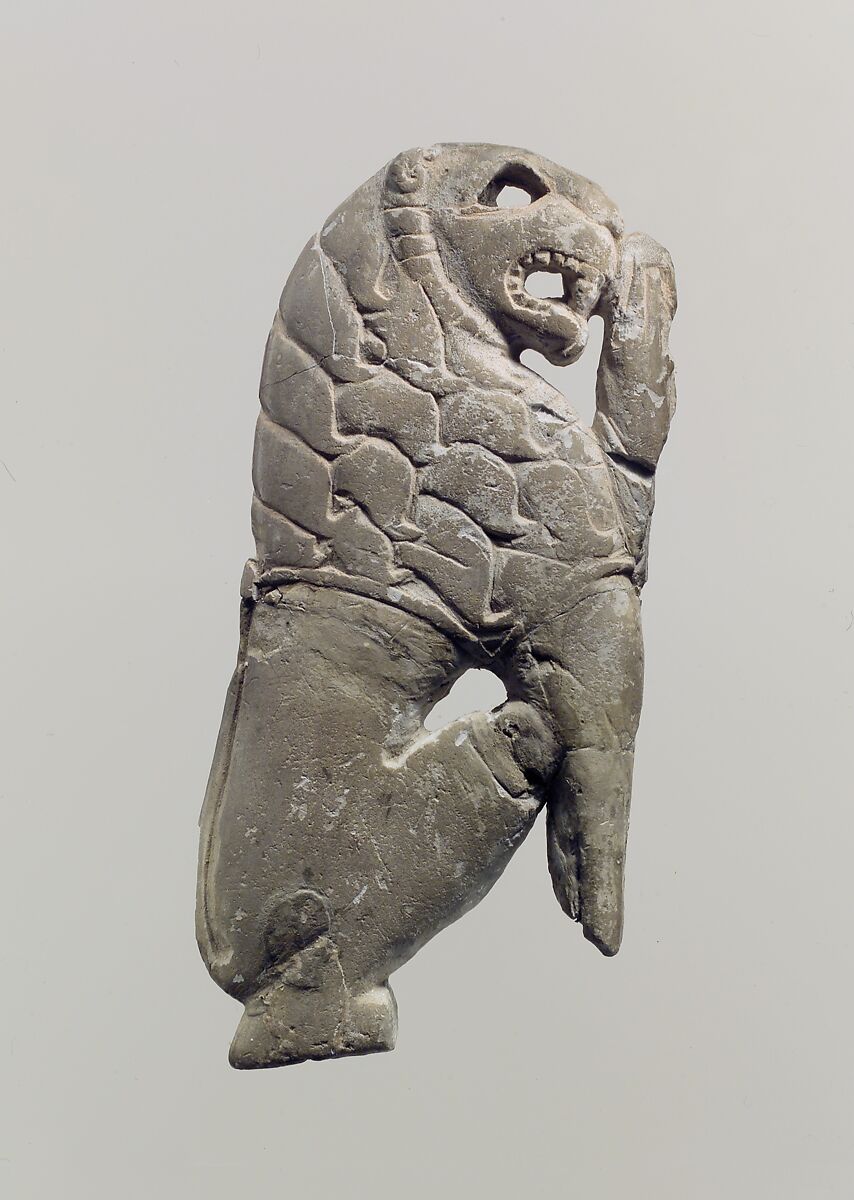
Ancient Early Coin

Persian

Achaemenid darics and sigloi to Sassanian drachms circulating across the ancient Near East.
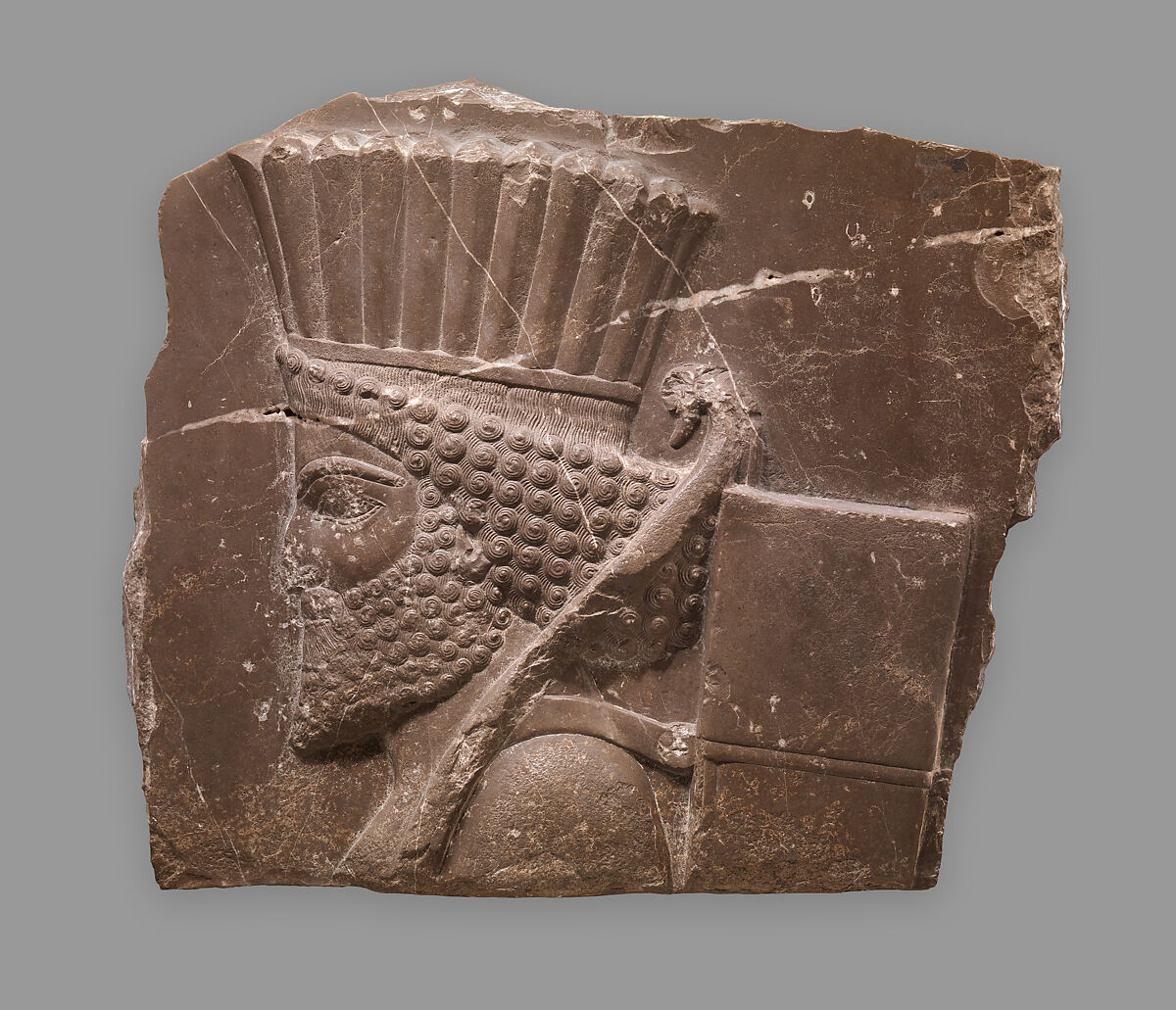
Ancient Persian Coin

Greek

City-states, Hellenistic kingdoms, and the iconic silver tetradrachms that defined early coinage.

Ancient Greek Coin

Roman

From the Roman Republic to the Imperial era, explore emperors, denominations, and minting traditions.
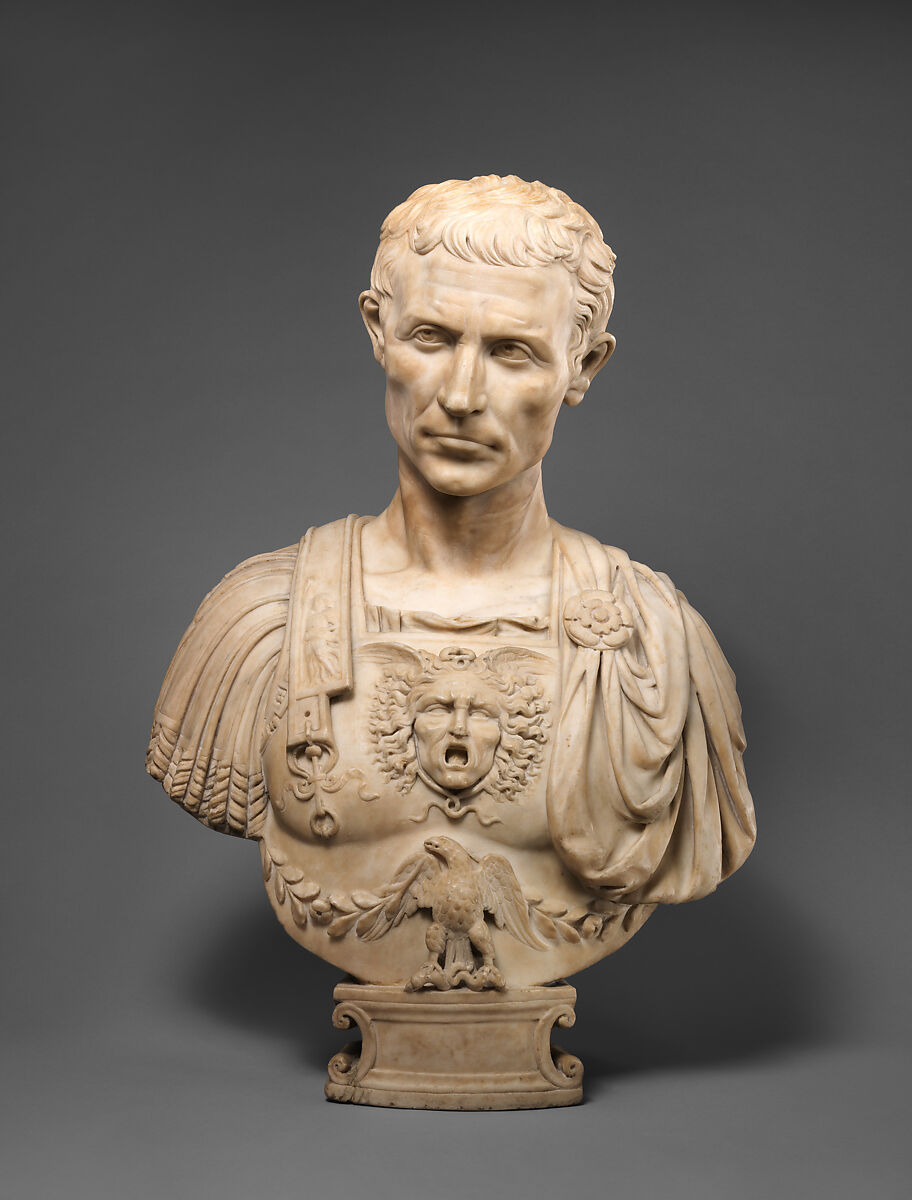
Ancient Roman Coin

Byzantine

Gold solidi, miliaresia, and bronze folles from the continuation of the Roman Empire in the east.
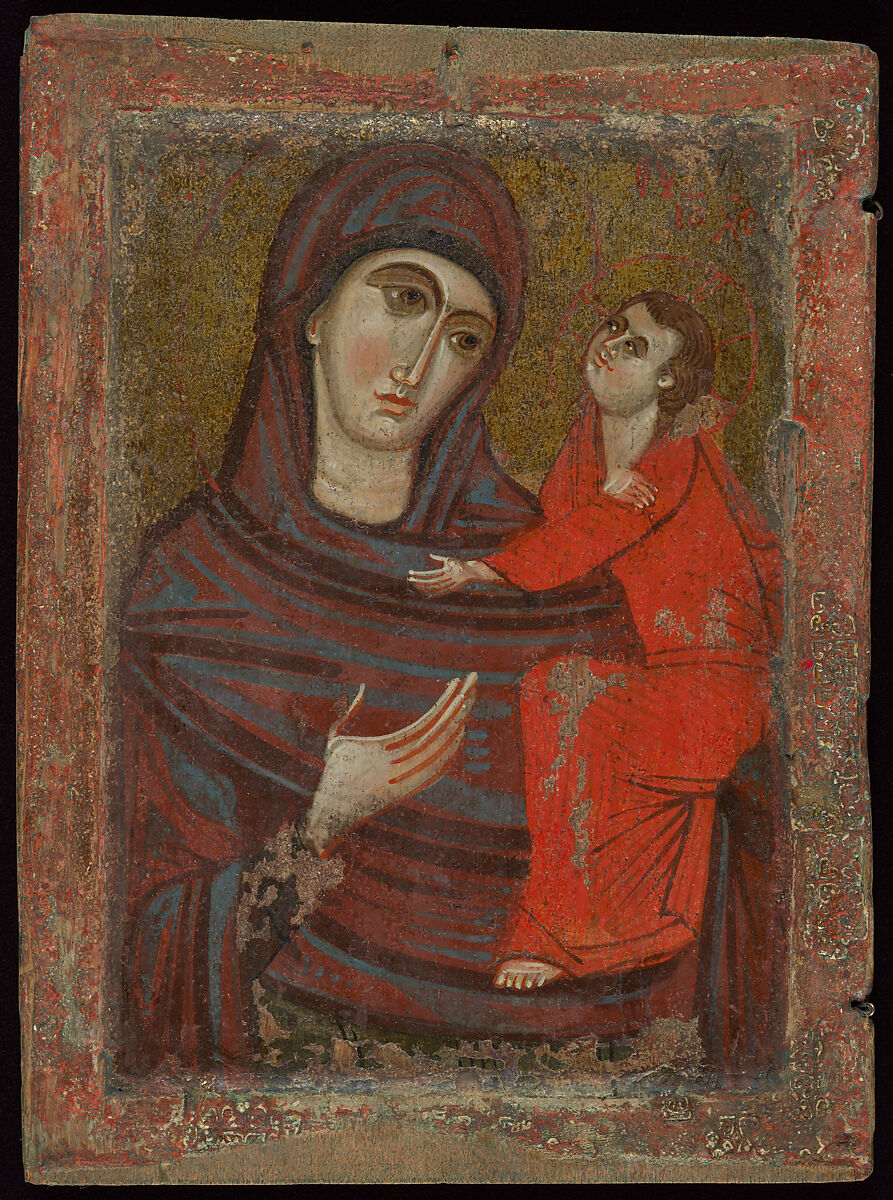
Byzantine Coin

Asian

Chinese cash coins and Indian punch-marked issues forming early eastern coinage.
Ancient Persian Coin

History of Coinage

~650 BC – Birth of Coinage

The first coins were struck in Lydia using electrum from rivers such as the Pactolus. These early pieces introduced standardized metal currency.

560 BC – Croesus Reform

King Croesus introduced the first pure gold and silver coinage, establishing a bimetallic monetary system.

500 BC – Greek Expansion

Greek city-states such as Athens began striking large silver coinage used throughout Mediterranean trade.

330 BC – Alexander's Empire

Coinage of Alexander the Great spread across the eastern Mediterranean and became the dominant trade currency.

211 BC – Roman Denarius

Rome introduced the silver denarius, forming the backbone of the Roman monetary system.